Thursday, 19 May 2016

What's killing Kenya's future?


Leading causes of death among young people aged 10-24 years 
1. HIV/AIDS
2. Diarrhoea
3. Lower Respiratory Infections
4. Meningitis (Creptococal meningitis is HIV related)
5. Malaria
6. Intestinal Infectious Diseases
7. Road Injuries
8. Drowning
9. Protein Energy Malnutrition
10. Tuberculosis
Source: Institute for Health Metrics


HIV Facts – Did you know?
1) You get the HIV strain of the individual who infects you, which explains why some newly infected persons are put on line 2 instead of line 1 drugs (ARVs)
2) Line 2 drugs are the highest cause of liver failure in people living with HIV (PLHIV)
3) There’s a HIV vaccine (I’m not sure of the vaccine’s efficacy level, but I do know it exists )

Wednesday, 18 May 2016

SHOCKING TEENAGERS HIV STATISTICS

New HIV infections among teenagers are attributed to early sex. 20% of youths aged 15-24 years had sex for the first time before their 15th birthday!!!  
I.         Nascop Statistics  
  • 46% of all new HIV infections occur among age 15-24 years  
  • There are a total of approximately 8.4 million young people 15-24 years in Kenya
  • 270,000 teenagers and youth are living with HIV (the tested and recorded number)  
  • More than 97 teenagers and youth get newly infected with HIV everyday
  • Approximately 11 teenagers and youth die from AIDS related illnesses everyday
  • 46% of young women (15-19 years) have never tested for HIV
  • 58% of young men (15-19 years) have never tested for HIV 
  • 51% of young people do not have comprehensive knowledge of HIV  

NB: Kindly note that a considerable percentage of the teenagers and youth living with HIV were infected at birth, while others were very unfortunately infected through horrific crimes like rape
II.       NACC Statistics
  • HIV/AIDS is the number one cause of death among teenagers and youth aged 10-24 years
  • A total of 2,531 teenagers and youth in secondary school died in 2013; 2,398 between 10-14 years; 1,719 aged between 20-24 years
  • 435,225 adolescents aged between 10-19 years are HIV positive; while another 119,899 have the virus but have not been identified

III.      MOH Data 
  • 195,299 adolescents are on ARV treatment while 315,000 need ARV treatment
  • Annual new infections among children 0-14 years is 12,511; while those above 14 years but under 25 years is 13,148  
  • New infections attributed to early sex where 20% of youths aged 15-24 years had sex for the first time before their 15th birthday
  • The fastest growing risk factor for ill health in young people aged between 10-24 years in the past 23 years has been unsafe sex
  • Despite the efforts being implemented to prevent Mother to Child Transmission of HIV, there are sadly at least 11,000 new infections in children mainly from infected mothers.


Panic, denial and resistance are NOT a solution to the looming disaster. We need immediate practical solutions to this problem, before things get way out of hand, which they already are.

Monday, 2 May 2016

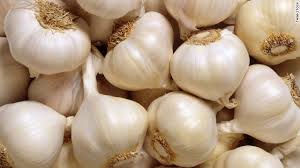
Healthiest Way to Consume Garlic

Now that we’ve discussed the tremendous health benefits of including Garlic in our daily meal plans, what’s the healthiest way to use or cook garlic?

For maximum benefits, I recommend chopping raw garlic into small pieces and sprinkling it on food. I however know garlic has a strong scent and taste and may not be very palatable to most of us in its raw form.

Just like dhania, if you must cook garlic, it’s best to add it towards the end of the cooking process so as to maintain maximum nutrition and flavor. Cooking garlic on high heat reduces the health benefits of the sulfur compounds like allyl and diallyl sulfides that form by allowing garlic to sit for 5-10 minutes. High heat also makes garlic taste bitter. I would therefore recommend cooking garlic under low heat for as little time as possible (5-15 minutes).  

The temperature principle also applies when Microwaving, baking, roasting or heating food with garlic. Keep the heat at 250F/121C or lower. Also remember that exposing cooking oil to very high temperatures also destroys or lessens the nutrient levels. Most baking recipes recommend use of higher temperatures than those recommended to preserve garlic’s nutrients. Again, I would recommend adding crushes or chopped garlic towards the very end of the baking process, and the oven temperature needs to be reduced.

Sunday, 1 May 2016

HEALTH BENEFITS OF GARLIC: PART 2

  1. Vitamin C - Body's primary Antioxidant defender in the bloodstream, where it protects LDL cholesterol from oxidation. The oxidized form of LDL cholesterol initiates damage to blood vessel walls. 
  2.  Vitamin B6 - helps in lowering homocysteine levels; an intermediate product of an important cellular biochemical process called the methylation cycle, homocysteine can directly damage blood vessel walls, hence Vitamin B6 lowering homocysteine levels, helps to prevent cardiovascular diseases. 
  3. Selenium - An important part of the body's antioxidant system. It also works with vitamin E in a number of vital antioxidant systems. 
  4. Manganese - A cofactor in a number of important antioxidant defense enzymes, for example, superoxide dismutase. Studies have found that in adults deficient in manganese, the level of HDL (the ‘good’ cholesterol) is decreased. 
For maximum health benefits, garlic has to be either crushed or chopped so as to activate the allicin. It’s recommended to use half - one full clove per day (around 3000-6000mcg of allicin). Please take note of this when purchasing allicin supplements. I do not recommend use of allicin supplements, unless they must be used. Garlic itself either the fresh garlic (which is the best) or powder form provides additional health benefits from other components other than allicin.

Potential Side Effects of Garlic
  1. Indigestion
  2. Intestinal gas/Bloating 
  3. Diarrhea (when taking high doses of garlic)

Saturday, 30 April 2016

GARLIC’S SUPER INGREDIENT - ALLICIN

Ever wondered why most health enthusiasts use garlic on a daily basis? Well, the secret is Allicin! Allicin is an organosulfur compound obtained from garlic. When fresh garlic is chopped or crushed, an enzyme called alliinase converts alliin into allicin, which is responsible for the aroma of fresh garlic.

Allicin is produced in garlic cells when they are damaged, which is why garlic’s scent is most potent once it is being cut or cooked. Several scientific studies have pointed out several health benefits of ingesting Allicin:

Health Benefits of Allicin

1.      Cardio-protective benefits (Heart health) - Blood cell and blood vessel protection from inflammatory and oxidative stress.  Damage to blood vessel linings by highly reactive oxygen molecules is a key factor for increasing our risk of cardiovascular problems, including heart attack and atherosclerosis. Oxidative damage also leads to unwanted inflammation, and it is this combination of unwanted inflammation and oxidative stress that puts our blood vessels at risk of unwanted plaque formation and clogging. 

2.      Lower Blood Pressure - Allicin blocks the activity of angiotensin II, a small piece of protein (peptide), which helps our blood vessels contract. When vessels contract, blood is forced to pass through a smaller space, and the pressure is increased. By blocking the activity of angiotensin II, allicin helps to prevent contraction of blood vessels and increase in blood pressure. 

3.      Normalize Lipoprotein balance

4.      Anti-thrombotic –This means Garlic could have potentially beneficial health effects on persons living with Deep Venous Thrombosis (DVT) and can be used in anti-thrombotic therapy.  
5.      Anti-inflammatory properties – The diallyl sulfide (DAS) and thiacremonone in garlic have been shown to have anti-arthritic properties, hence garlic is very beneficial to persons with Arthritis and other inflammatory disorders.  Some inflammatory aspects of Obesity may be altered by sulfur-containing compounds in garlic. Fat cells cannot become fully developed unless they are able to progress from a preliminary stage called pre-adipocytes to a final stage called adipocytes. One of the sulfur compounds in garlic (1,2,-vinyldithiin, or 1,2-DT) appears able to lessen this conversion of pre-adipocytes into adipocytes, and the impact of 1,2-DT appears to be inflammation-related.  

6.      Antioxidant  - Prevents oxidation and hence is crucial in Cancer prevention. 

7.      Anti-carcinogen - Allyl sulfides in garlic activate a molecule called nuclear erythroid factor (Nrf2) in the main compartment of cells, which triggers various metabolic activities. One such activity is the cell’s self-destruction or programmed cell death (apoptosis). When a cell recognizes that it has become too compromised to continue functioning in a healthy manner with other cells, it stops proceeding through its own life cycle and dismantles itself and recycle its parts. It's critical for a cell to determine whether it should continue on or shut itself down, because cells that continue on without the ability to properly function or communicate effectively with other cells are at risk of becoming cancerous. This essentially means that garlic may actually be able to stop or at least slow down metastasis of cancer cells. For those who like Nyama choma, one of the carcinogenic substances formed when meat is cooked under very high temperatures (400°F/204°C or higher) is PhlP (2-amino-1-methyl-6-phenylimidazopyridine). Diallyl sulfide (DAS), one of the many sulfur-containing compounds in garlic, has been shown to inhibit the transformation of PhIP into carcinogens.

8.      Antimicrobial properties - The antibacterial and antiviral properties of garlic are its most legendary feature. Garlic has tremendous benefits in controlling infection not only by bacteria and viruses, but also infection from other microbes including yeasts, fungi and worms. Garlic has a strong ability to treat bacterial infections that are difficult to treat due to resistance to prescription antibiotics.

9.      Lower Blood Triglycerides and moderately lower total Cholesterol levels      

10.  Improves Iron metabolism – Stored iron requires a protein called ferroportin for it to be moved out of the cell and returned into circulation. Garlic may be able to increase the body's production of ferroportin, hence iron remains in circulation as needed.

Garlic is also rich in sulfur-containing molecules called polysulfides. Once inside red blood cells (RBCs), polysulfides are converted by RBCs into a gas called hydrogen sulfide. Hydrogen sulfide helps control blood pressure by triggering dilation (expanding) of blood vessels. When the space inside blood vessels expands, blood pressure gets reduced. Hydrogen Sulfide (H2S) is described as a "gasotransmitter" and placed in the same category as Nitric Oxide (NO) as a messaging molecule that can help expand and relax our blood vessel walls. 

Wednesday, 13 April 2016

ARTHRITIS

“Ouch! My knees hurt”, “I can’t go to the gym, my joints hurt”; these are very common complaints among my clients. Worse still, most people who experience joint pain, stiffness and swelling assume it’s a minor injury that might go away without any medical attention, especially young people who have bought-into Myths like ‘Arthritis is an elderly persons disease’. If the prevalence among my clients and people I know is anything to go by, Arthritis is a very common condition which is not well understood.  

So, what is Arthritis and who does it affect? Arthritis is commonly used to refer to joint disease.  Research has identified more than 100 types of Arthritis; however the most common types are Osteoarthritis and Rheumatoid arthritis.  

According to the Arthritis Foundation, Arthritis is the leading cause of disability in America. More than 50 million adults and 300,000 children have some type of arthritis. Unfortunately, I don't have exact Kenyan statistics but hopefully in the near future KEMRI, local hospitals and health stakeholders will push for research on conditions like Arthritis which have a very high prevalence in Kenya, which is undocumented. The condition is most common among women and occurs more frequently as people get older. Arthritis however affects people of all ages, gender and races.   
  
Arthritis symptoms include swelling, pain, stiffness and decreased range of motion. Symptoms range from mild to severe, which results in chronic pain, limited ability to do daily activities and difficulty in walking, exercising and climb stairs.


According to the Arthritis Foundation, Arthritis can cause permanent joint changes. The changes may be visible, such as knobby finger joints, but often the damage can only be seen on X-ray. Some types of arthritis also affect the heart, eyes, lungs, kidneys and skin as well as the joints. 

We'll discuss the different types of Arthritis on our next link. Until then, please consult your doctor if you've been experiencing persistent joint pain or swelling.

As always, remember, YOUR HEALTH IS YOUR RESPONSIBILITY!!

Thursday, 4 February 2016

THINKING OF JOINING A WEIGHT LOSS PROGRAM? READ THIS FIRST!

Weight loss programs have become very popular in Kenya over the past 5 years. This has probably been informed by the unfortunate drastic increase in Non-Communicable Diseases like Cancer, Diabetes and Heart Diseases. As a Nutritionist I feel frustrated every time I watch some weight loss programs, especially those that entice people with money for most cumulative weight loss over the program period.

I often feel sorry for people who go to these programs without in-depth knowledge of how the body works and how one gains or loses weight. It’s a big shame for any trained and licensed Nutritionist and Fitness expert to show the entire nation weight loss or gain progress in terms of the total amount of weight a person has. That said; if you use the common weighing scale to monitor your weight loss progress that only shows a cumulative number, brace yourself for unnecessary stress and disappointment.

The one thing that most fitness experts and Nutritionists don’t tell you is the fact that your cumulative weight is a combination of different weights in your body. There’s water mass, muscle mass, bone mass and fat mass. All these weights contribute to the value you read on weighing scale and their increase or decrease consequently affect your total weight.

Have you ever measured your weight after a hot day out in the sun, then after taking a few glasses of water?   Your weight will be less on a hot day, due to dehydration and heavy perspiration, then increase after taking a couple of drinks, due to increase in water mass. Your weight fluctuates from time to time due to such very normal body processes.

I therefore always advice people to join a Fat Loss Program as opposed to Weight Loss program. Fat loss is a gradual but very effective process of proper weight management and achieving optimal health. Weight loss can however be very drastic and not necessarily healthy. Have you ever had diarrhea and or vomiting for a day or two? You inevitably lose weight, but not for the right reasons; and as you already know by now, the weight is gained back once you’re back to good health.

Healthy weight monitoring calls for better assessment, which goes beyond a cumulative number or Body Mass Index (BMI). There’s need to assess all the weights within the body, so as to figure out which one is above the normal figures. Each person has a healthy range of body fat mass, muscle mass, water mass and bone mass depending on age, gender and height. If the figures go above or below the healthy range, then there’s cause for alarm and immediate action, but if the figures are in the normal range, then the goal is to maintain them in the ‘healthy’ range.

That said; I feel that most weight loss programs in the country are simply bogus; they don’t properly guide Kenyans and are not as objective as they should be. Each person’s body works differently and different people have different Basal Metabolic Rates. A thorough analysis and evaluation is therefore required before and during the entire program.

Lastly, there are many reasons why a person could be very active, not over eating but gaining weight. One of these reasons is Hormonal Imbalance, especially among women. We will discuss this on another article but ladies, if you’re on a healthy diet, not eating more than you’re spending, working out but still gaining weight, you need to consult an endocrinologist/OBGYN for a hormonal balance evaluation.

Remember Your Health is Your Responsibility. Always do research and make thorough enquiries before joining a weight loss program.